Anytime you start a business you will need customers or clients. Understanding your “ideal customer” as much as possible will help you know how to communicate with them. An “idea customer persona” or “customer avatar” is worth spending some time on before you jump into creating content. What kinds of information do you want to know about your ideal customer? Good question. Below are some ideas of questions to consider when putting together your ideal customer persona.
Contents
- Basic Information
- Goals and motivation
- Pain points and challenges
- Search and information behaviour
- Where they consume information
- Customer Journey overview
- Buying Behaviour
- Example customer personas
- Multiple Customer Personas
- Summary
- FAQ
Basic Information
| Field | Prompt |
| Persona Name | A fictional, human-sounding name (e.g., “Side-Hustle Sam”) |
| Age Range | Typical range or stage of life |
| Location | Region, urban/rural, timezone relevance |
| Occupation | Job title, industry, business owner, freelancer, etc. |
| Income Level | Low / middle / high income bracket |
| Education Level | High school, college, trade, self-taught, etc. |
| Lifestyle Snapshot | Hobbies, values, family, routines, or personality traits |
Goals & Motivations
| Field | Prompt |
| Primary Goals | What outcomes are they trying to achieve? (e.g., grow a business, save time, improve health) |
| Motivations/Values | What drives their choices? (e.g., freedom, quality, status, simplicity, sustainability) |
Pain Points & Challenges
| Field | Prompt |
| Primary Pain Points | What problems do they face regularly? (e.g., too many tools, lack of time, confusion) |
| Secondary Pain Points | Friction they might not articulate but still feel (e.g., decision fatigue, imposter syndrome) |
| Emotional Frustrations | What’s the emotional tone? (e.g., overwhelmed, skeptical, burnt out, curious) |
Search & Information Behavior
| Field | Prompt |
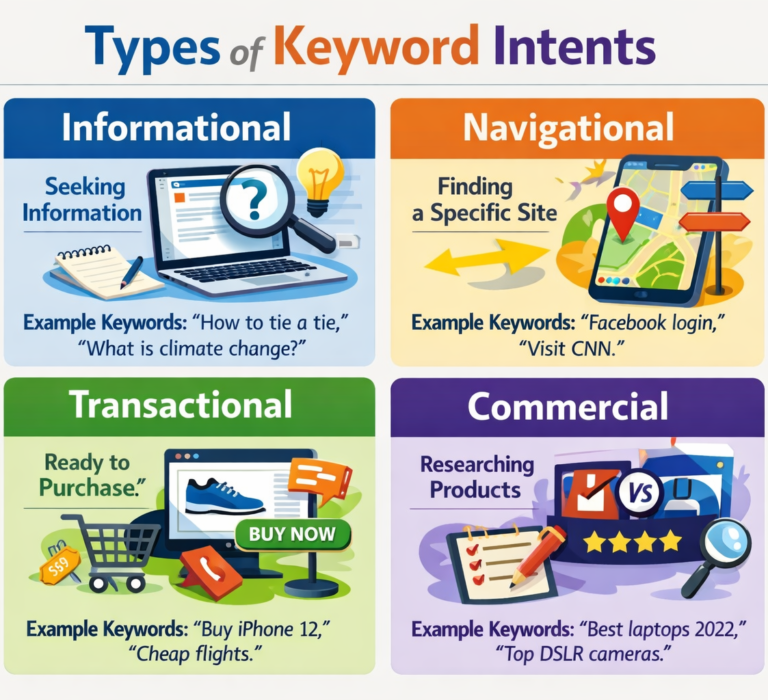
| How They Search | What terms or questions might they Google? Do they use voice search, YouTube, Reddit, etc.? |
| Search Style | Are they exact keyword users (“best email tool for freelancers”) or topic explorers (“how to grow an email list”)? |
| Device Use | Mobile-first? Desktop for research? |
| Time of Day | When do they usually search or browse content? (e.g., evenings, during work breaks) |
Where They Consume Information
| Field | Prompt |
| Preferred Platforms | Where do they hang out online? (YouTube, Instagram, TikTok, Google, Reddit, niche blogs, newsletters, Substack, podcasts) |
| Content Types | What formats do they prefer? (e.g., short-form videos, podcasts, checklists, blog articles, carousel posts) |
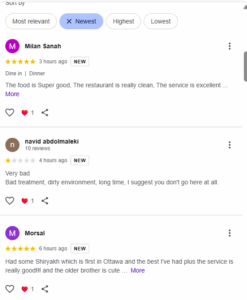
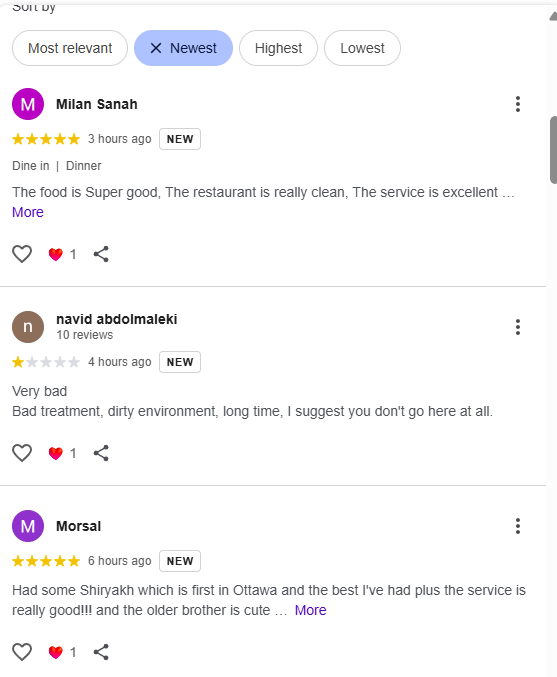
| Trusted Sources | Who or what do they trust for advice? (e.g., influencers, industry experts, peers, review platforms) |
Customer Journey Overview
Break the journey into stages:
| Stage | Customer Mindset | Where They Search | Preferred Content |
| Awareness | “I have a problem or goal but don’t know the solution” | Google, TikTok, YouTube, blogs, Reddit | Listicles, how-tos, infographics, short videos |
| Consideration | “I’m comparing options and want more info” | Google, YouTube, product pages, review sites | Comparisons, testimonials, expert explainers |
| Decision | “I’m ready to choose or buy” | Website, Google Maps, pricing pages, forums | Pricing tables, FAQs, case studies, demos |
| Post-Purchase | “Is this working for me? Can I trust it?” | Email, forums, social media, help docs | Onboarding content, support articles, community |
Buying Behavior
| Field | Prompt |
| Motivators to Buy | What convinces them? (e.g., convenience, reviews, expert endorsement, social proof) |
| Hesitations or Objections | What fears or doubts might delay a purchase? (e.g., pricing, complexity, risk of regret) |
| Purchase Path | Do they buy impulsively, consult others, need nurturing via email or remarketing? |
Archetype
| Field | Prompt |
| Archetype | Chose an archetype for your personal so you have a better idea of what motivates them and bring them to life. Below are 12 archetypes from Jungian Theory. |
| The Hero | Driven to prove their worth through strength and courage, the Hero is motivated by challenges and a desire to make the world better. They fear weakness and strive for mastery and bravery. |
| The Magician | Visionary and transformative, the Magician aims to turn dreams into reality by understanding universal laws. They fear unintended consequences and wield powerful influence for change. |
| The Everyman | Down-to-earth and relatable, the Everyman longs to belong and connect with others. They value humility, empathy, and staying true to the common good. |
| The Innocent | Optimistic and pure-hearted, the Innocent seeks happiness and simplicity while avoiding wrongdoing. They value doing the right thing and have faith in the goodness of life. |
| The Ruler | Authoritative and responsible, the Ruler desires control and order, working to build stable and successful systems or communities. They fear chaos and losing power or influence. |
| The Explorer | Independent and curious, the Explorer seeks freedom and self-discovery through new experiences. They fear confinement and routine, always pursuing a more authentic life. |
| The Jester | Playful and joyful, the Jester lives in the moment and uses humor to uplift others. They fear boredom and aim to bring lightness and fun to life. |
| The Caregiver | Compassionate and generous, the Caregiver finds purpose in helping and protecting others. They often put others’ needs ahead of their own and fear being selfish or unappreciated. |
| The Creator (Artist) | Imaginative and visionary, the Creator is driven to build lasting value through self-expression and innovation. They fear mediocrity and are often perfectionists. |
| The Sage | Wise and analytical, the Sage seeks truth and understanding through knowledge and reflection. They fear ignorance and may overthink rather than act. |
| The Outlaw / Rebel | Bold and provocative, the Rebel aims to challenge norms and create change by breaking the rules. They fear powerlessness and thrive on disruption and revolution. |
| The Lover | Passionate and emotionally connected, the Lover seeks intimacy and meaningful relationships. They fear being unloved or unwanted and strive to be attractive and appreciated. |
Ideal Customer Persona Examples
Below are some examples of ideal customer peronas or customer avatars.
“Busy Brenda” – Residential Plumbing Client

- Age: 42
- Occupation: Full-time project manager, 2 kids
- Primary Goal: Fix home plumbing issues quickly with minimal disruption
- Pain Points: Doesn’t have time for multiple quotes; skeptical of being overcharged
- How She Searches: Google “emergency plumber near me”; reads Google reviews
- Where She Consumes Info: Local Facebook groups, Google, YouTube
- Journey:
- Awareness: Searches “leaky kitchen pipe” → reads blog
- Consideration: Compares pricing pages and Google reviews
- Decision: Calls the plumber with 24/7 service and transparent pricing
“DIY Dave” – HVAC Lead for Maintenance Packages

- Age: 38
- Occupation: Electrician and homeowner
- Primary Goal: Prevent HVAC breakdowns; keep energy bills low
- Pain Points: Doesn’t trust upsells; wants to understand the value
- How He Searches: YouTube “how often to service furnace” → Google “furnace tune-up Ottawa”
- Where He Consumes Info: YouTube, Reddit (HVAC subs), tradeshow blogs
- Journey:
- Awareness: Searches about high utility bills → watches HVAC video
- Consideration: Visits 3 local company websites; reads maintenance plan details
- Decision: Chooses one with an easy booking form and clear service checklist
“Green Thumb Grace” – Landscaping Client

- Age: 57
- Occupation: Retired teacher
- Primary Goal: Maintain a beautiful, low-maintenance backyard
- Pain Points: Doesn’t want to hire unreliable crews; unsure how to pick plants
- How She Searches: Pinterest for backyard ideas → Google “landscape design help”
- Where She Consumes Info: Pinterest, home blogs, Instagram
- Journey:
- Awareness: Finds landscape inspo → follows local Instagram landscaper
- Consideration: Reads testimonials and before/after project blog
- Decision: Books free consultation with a business that shows trust & creativity
Multiple Customer Personas
Note, that in some cases there may be more than one “persona” to consider. For example, in a Pilates studio there is the persona of your Pilates instructor and the persona of your client. In math tutoring service business there is the persona of the parent or person paying and/or looking for the math tutor and then there is the actual end user, or student, of the math tutoring service. Just something to keep in mind when you’re looking at your specific business and the associated customer personas.
Summary
Creating an ideal customer persona involves building a detailed, fictional profile of your target customer to help with your marketing, product decisions, and communication. You don’t necessarily need hard data to create your customer persona, you can use assumptions, empathy, experience and insight to outline their goals, pain points, values, and buying behaviors. With all the changes in how people are searching for information now, it’s also important to understand how they search for information, where they consume content online, and what channels they use at each stage of their customer journey. A strong persona will help make your messaging speak directly to the people most likely to engage with and buy from your business.
Ideal Customer Persona Template
Use this Ideal Customer Personal Template to help you create you customer persona.
FAQ
A customer persona is a detailed, fictional representation of your ideal customer. It helps businesses understand their audience’s goals, challenges, and behaviors, enabling more targeted marketing, better product development, and clearer communication.
Yes! You can start with assumptions based on your knowledge, team insights, and market research. These hypotheses can be refined over time as you gather real feedback and data from actual customers.
Your persona should be detailed enough to guide key decisions covering demographics, goals, pain points, buying behaviors, and communication preferences without becoming overly complex or speculative.
Personas should be revisited and updated regularly, ideally every 6–12 months, or whenever you have new customer insights, product changes, or market shifts that affect your audience.