If you’re like most of us, when you have a question or want more information, you probably pull out your phone and talk into it. If you’re at your laptop or at work, you probably type your question into Google or perhaps ChatGPT. If you’re on the road and need to find a specific location, you’re probably using a map app, such as Google maps, or asking your phone, a voice search, for the exact location. In all these situations you’re searching for something. There are so many different ways and platforms to search on. You might have realized it but online search has changed a lot!
People still use Google, but now they also search on TikTok, YouTube, Reddit, and even ask questions to AI tools like ChatGPT. As a business owner this shift means your business needs to be visible where people are looking for you. On any one or many of these platforms.
We’ll look at,
- What search used to be like
- How it works today
- Where your audience is spending time
- What you can do to show up and get discovered
Contents
- Introduction
- What Search Used to Be Like
- What Search Looks Like Now
- Where Your Customers Are Searching
- How to Show Up in Today’s Search World
- Summary
- FAQs
- References
What Search Used to be Like
Back in the day, not necessarily that long ago!, search was much simpler. You typed a few words into Google, and it gave you a list of websites to visit.
Most people relied on search engines like Google, Yahoo and Bing, among others. The way we searched was mostly:
- Typing queries using keywords or phrases
- Clicking through web pages and then
- Reading blog posts or articles and other website content.
Over time this has changed. Over time we started seeing,
- Paid ads started showing up at the top of search results.
- Search results including images, videos, and maps
- Local search (like “cafe near me”) was becoming more common
- Businesses competed to “rank” by using SEO strategies and creating content
This method of searching is still around, but it’s not the only way people are searching. There are more options on how to search.
What Search Looks Like Now
Today the way people search online has and is completely changing and evolving. Instead of relying only on traditional search engines, people are using other tools and platforms to search on. For example people are,
- asking questions directly into their phones (voice search)
- Watching reviews or tutorials on TikTok and YouTube
- Reading discussions on Reddit and Quora
- Using AI agents like ChatGPT, Gemini, or Perplexity to summarize information or get ideas
- Looking up businesses on Google Maps, Yelp, or Instagram
Search is now:
- Visual (images, short-form videos)
- Conversational (spoken or written questions)
- Fast and summarized (thanks to AI)
- Platform-based (happening everywhere, not just on Google)
- User driven. Depending on the user’s intent in their buying journey, they may use different platforms for their search.
Now a business and its brand can’t show up on just one channel. It needs to show up on many channels. Which channels will depend on where your ideal customers are searching. If you and your business don’t adapt to this change in search, you may miss out on potential customers.
Where Your Customers Are Searching
People are using different platforms based on what they’re looking for and how they prefer to consume information. They’re not just using these platforms for social and recreational reasons but also to search for information. Below are some examples of how people are using various platforms:
- Instagram & Facebook – for updates, stories, product visuals
- TikTok & YouTube – for reviews, tutorials, and product demos
- Pinterest – for inspiration, DIYs, mood boards
- Google Business Profile & Maps – for local discovery and reviews
- ChatGPT & AI tools – to quickly learn, compare, or research
- Reddit & Quora – for real-user experiences and deeper insights
If you you’re wondering how to be found online, consider the following:
- What platform does your ideal customer use and when?
- How do they search when looking for your product or service?
- Are they browsing casually, or are they ready to make a decision? What is your customer’s intent?
Understanding this helps you meet your customers exactly where they are.
How to Show Up in Today’s Search World
Now that search is spread across multiple platforms, your business needs a strategy to be visible in more than one place.
1. Understand Your Ideal Customer
Start by thinking about who your ideal customer is. Start by asking yourself,
- Who are they?
- What are they searching for?
- Where are they in the buying journey?
- Where do they spend time on the internet?
There are many other details to consider when creating a customer persona. But this is a good start.
2. Understand Search Intent
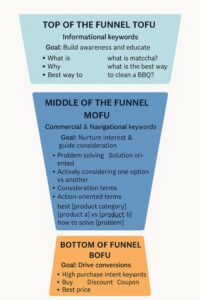
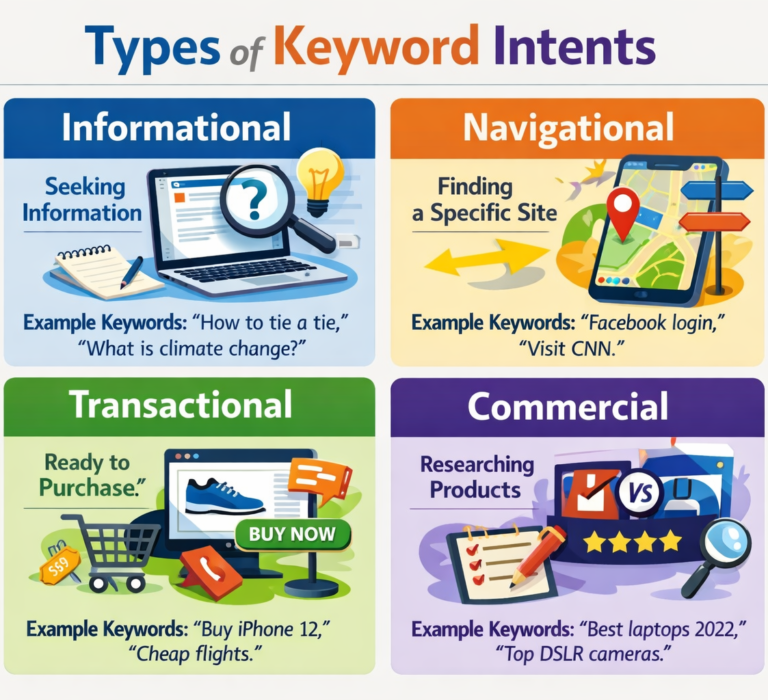
Not all searches are equal. Now that your know who your ideal customer is, they may not always be in the buying stage. Their intent and the stage where they are in the busy cycle is important to understand. Each search has a purpose. Your customer might be:
- Looking for information (“What’s the best wood for cutting boards?”) – Informational Intent
- Trying to find a brand (“Instagram shop that sells wooden boards”) – Navigational Intent
- Comparing products (“Handmade vs. mass-produced cutting boards”) – Commercial Intent
- Ready to buy (“Buy handmade cutting board online”) – Transactional Intent
3. Think Omnichannel
Omnichannel means a customer centric approach to your marketing that integrates all marketing channels both online and offline creating a seamless, consistent brand experience. This doesn’t mean you have to be everywhere, but you want to be where your customers are. This means:
- Having a presence on more than one platforms
- Posting consistent content
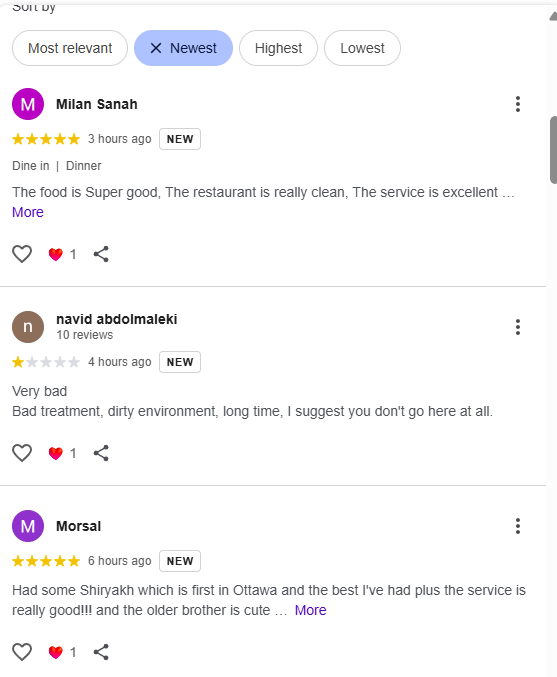
- Responding to reviews or questions
4. Be Consistent With Your Brand
Your brand is more than just a logo. It includes:
- Your voice and tone
- Your colors and style
- Your customer experience.
- Your message that you want to convey.
Being consistent helps you become recognizable and memorable. This builds trust and helps people remember you.
Summary
Search in 2025 is evolving quickly. While it may seem more complex, it’s also very exciting! People aren’t just typing words into a Google search bar. They’re watching videos, reading reviews, and asking AI tools for help and questions. There is more diversity to search. Once you have wrapped your head around the different ways people can search, it will become easier to think of ways and places you want to be “found”.
Start with:
- Understanding who your ideal customer is
- Choose at least 2 platforms they can be found on
- Create helpful, authentic content that you can post on these channels.
- Stay consistent with your brand throughout the different platforms.
To increase the probability that you will be found by your ideal customer, provide information where they are on the internet that correspond with their search intent. It will also help you build your brand and a lasting connection with your ideal customer.
FAQs
1. I already post on Instagram. Do I need to be on more platforms?
Create your ideal customer persona including where they live and search on the internet. For example, if your ideal customers are also using TikTok, Google, or Pinterest during their buying cycle, it’s worth considering expanding into these platforms. Start small and add in one extra channel at a time.
2. What’s the easiest way to show up in local search?
Claim and optimize your Google Business Profile, GBP. Add photos, respond to reviews, and keep your info updated. It’s free and highly visible in Google Maps. Once you have created your GBP, go over to Bing and create your Bing Places. The information from GBP can be easily imported to Bing Places.
3. Can I use the same content on different platforms?
Yes! Repurpose your content. For example, turn an Instagram post into a Pinterest pin or a short YouTube video. Just tailor the content slightly for each platform, audience and intent of your ideal customer.
4. What kind of content helps me show up in AI tools?
Well-written, clear, helpful content that is written in simple language. For example, blog posts with bulleted or numbered lists; comparison posts; FAQs; definitions, may be picked up or summarized by AI tools like ChatGPT or Perplexity.
5. How do I find out where my customers are searching?
Ask them! Use polls on Instagram Stories, or ask new customers how they found you. You can also watch where similar businesses are active.